The Kingdom keeps its records with limited funding and largely by hand. Gaps in the written record reflect that, and nothing more; they are not an absence of activity. The sections below describe what the Kingdom does and how a person takes part, and each carries only what the archive can presently support. Where a figure is not yet documented, the Kingdom says so rather than estimating.
Section I
Who the People of Atooi Are
The people of Atooi are families of Kauaʻi and the wider Hawaiian Islands, together with Polynesian relatives across the Pacific and supporters abroad, who take part in the ceremonial, cultural, and governance life of the Kingdom.
Participation is a matter of family, genealogy, and presence at the work of the Kingdom rather than of registration alone. Some who take part are descendants of the ruling and chiefly lines of Kauaʻi; others are Polynesian relatives from sister islands; others still are neighbours who serve alongside the Kingdom in cultural and community work.
No population figure is published on this page. The Kingdom does not administer territory, provide public services in place of the State of Hawaiʻi, or exercise civil jurisdiction over any person, and nothing on this page should be read as claiming otherwise.
No verified record is yet published in this section.
Section II
Citizenship, Affiliation, and Membership
The Kingdom distinguishes three standings, all of which arise under its own law and none of which alters a person's citizenship, residency, tax status, or obligations under United States or State of Hawaiʻi law.
National affiliation — recorded for persons of Hawaiian and Polynesian descent who affirm their connection to the Kingdom through genealogy or family custodianship.
Membership — recorded for persons who take part in the Kingdom's programs, ceremonies, councils, or offices, whether or not they claim descent.
Office — held by persons appointed to a named office of the Kingdom under its own instruments; these appointments are internal and are not accreditation by any outside government or organisation.
A PKOA document of affiliation is not a passport, identification document, or travel document recognised by any state, and the Kingdom does not present it as one.
No verified record is yet published in this section.
Section III
How People Join or Are Recognised
Recognition follows the Kingdom's customary practice: a person is presented by family or by an existing member, their genealogy or connection is discussed with the Aliʻi Nui and the relevant council, and the standing is recorded in the Kingdom's own register.
Applications are received through the Office of the Aliʻi Nui by way of the Contact page. The Kingdom charges no fee for affiliation or membership and does not solicit payment in exchange for any title, office, or document.
The register of affiliations and memberships is a private record. Personal information is published only with the written consent of the person concerned.
No verified record is yet published in this section.
Section IV
Cultural Programs
Cultural work of the Kingdom includes protocol instruction, chant and oli, the making and care of regalia and standards, and the ceremonial calendar observed on Kauaʻi.
No verified record is yet published in this section.
Section VI
Educational Programs
Teaching within the Kingdom is carried out by elders and officers in small settings: genealogy instruction, the history of the Hawaiian Kingdom and of Kauaʻi, protocol, and the reading of primary documents held in the archive.
No verified record is yet published in this section.
Section VII
Ceremonies and Gatherings
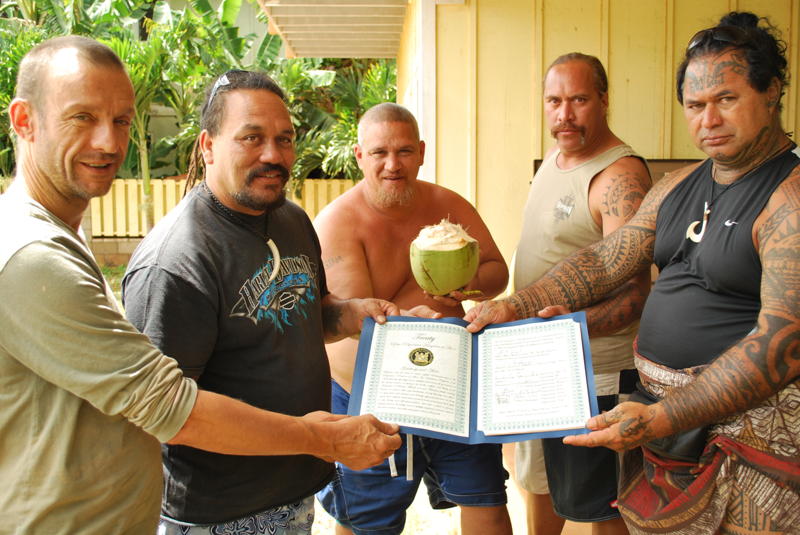
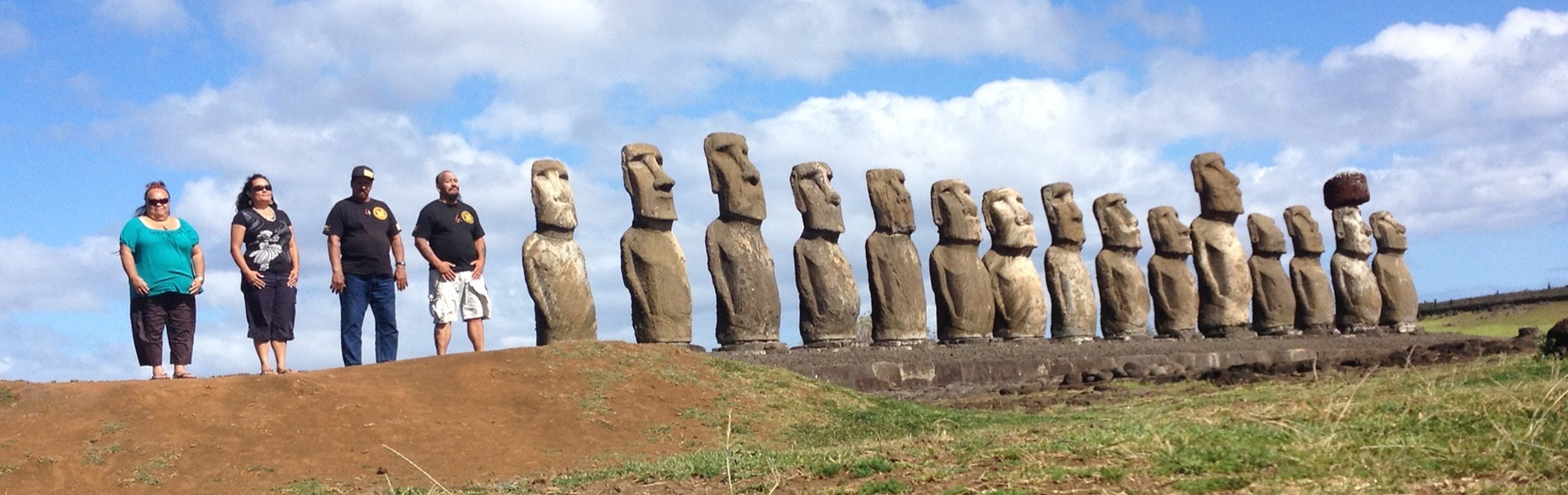
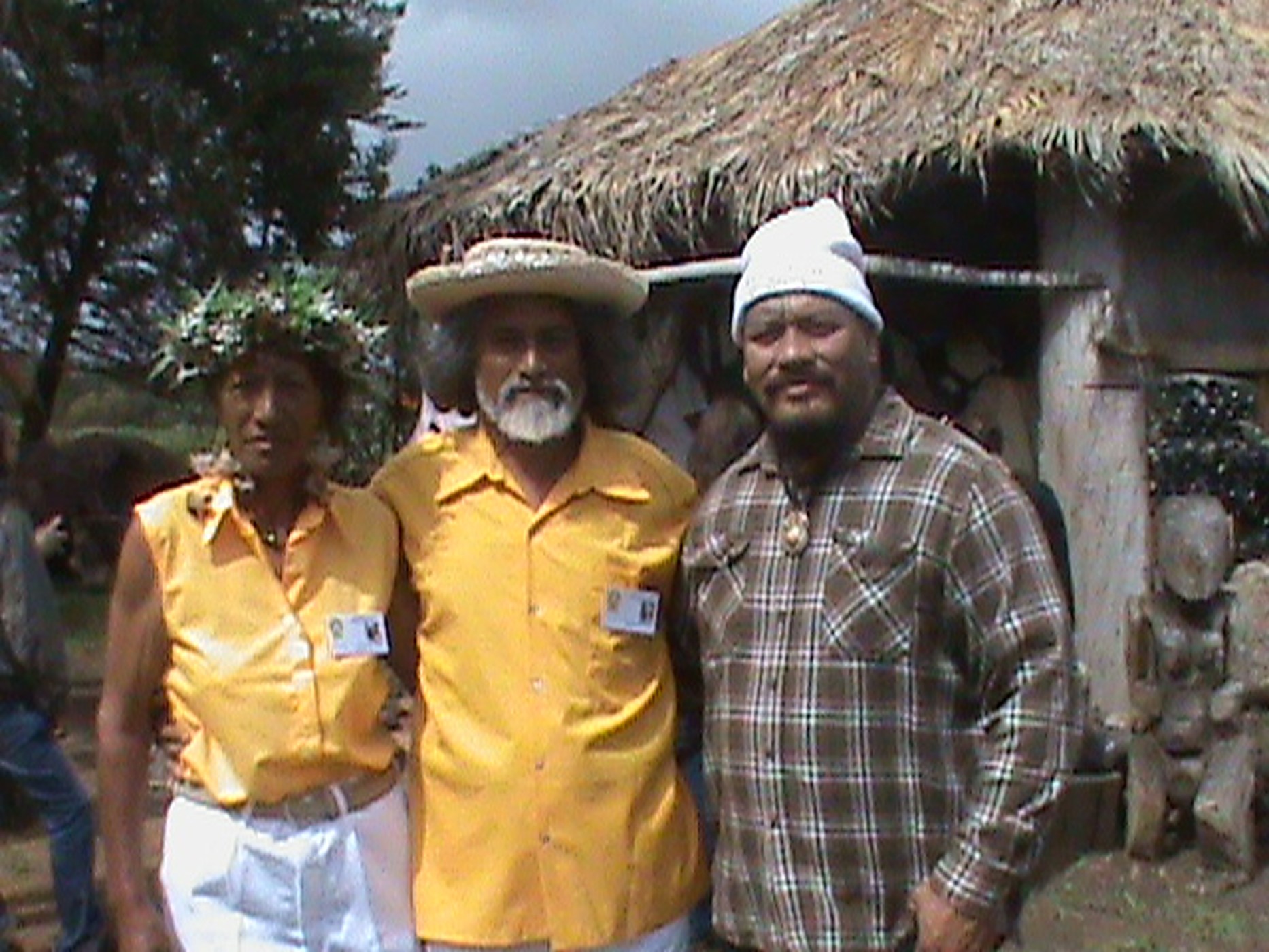
Ceremonial life is the most fully documented part of the Kingdom's record. Gatherings on Kauaʻi, flag observances, investitures, and solidarity visits with sister Polynesian nations are recorded photographically in the archive; the images below and in the Photographic Archives are part of that record.
No verified record is yet published in this section.
Section VIII
Language, Genealogy, Land Knowledge, and Traditional Practice
The Kingdom's preservation work covers ʻōlelo Hawaiʻi in ceremony and protocol, custodial genealogy held by the Royal House, knowledge of place names, water, and cultivation on Kauaʻi, and traditional practice transmitted within families.
Genealogical material is held under custodianship. The Genealogy page sets out how each link is preserved.
No verified record is yet published in this section.
Section IX
Partnerships
The Kingdom's relationships with Indigenous nations, royal houses, customary authorities, and community organisations are catalogued in the Recognitions, Treaties, and Global Relationships sections.
Each entry records the parties, the date, the occasion and the source record held in the archive.
No verified record is yet published in this section.
Section X
Government and Council Meetings
The Council of Ministers and the Royal Household meet on the call of the Aliʻi Nui. Offices and holders are published in the central leadership register on the Council of Ministers page.
Minutes are internal records. Where a meeting produces a decree or public instrument, that instrument is published in the Royal Decrees section.
No verified record is yet published in this section.
Section XI
Annual Activity Reports
The Kingdom is assembling annual reports of its activity from the photographic archive, correspondence, decrees, and the recollection of participants. Reports will be published year by year as each is verified.
No verified record is yet published in this section.
Section XII
Future Institutional Goals
These are stated goals of the Kingdom, not present status or achievements.
To complete a consented register of affiliation and membership, and to publish counts only once that register is verified.
To publish annual activity reports beginning with the years for which photographic and documentary material is most complete.
To digitise and publish the documentary genealogy that the Royal House currently holds in custodial form, with the consent of the families concerned.
To record cultural and educational programs prospectively, with dates, locations, participants, outcomes, and partner confirmation captured at the time.
To obtain independent confirmation from partner organisations for community-service and cultural activity already carried out.
No verified record is yet published in this section.